The Future of LED Street Lighting: Smart Cities and IoT Integration
The Future of LED Street Lighting: Smart Cities and IoT Integration
Introduction
As cities worldwide embrace digital transformation, LED street lighting is rapidly evolving from simple illumination to becoming a key component of smart city infrastructure. The future of urban lighting is deeply connected to smart technologies and IoT (Internet of Things) integration, creating intelligent, energy-efficient, and data-driven cities.
In this article, we explore how smart LED street lights are shaping the future and why IoT integration is essential for modern urban planning.
The Evolution of LED Street Lighting
Traditional street lighting was focused solely on lighting roads and pathways. However, the rise of energy-saving LED street lights introduced massive improvements in efficiency, lifespan, and maintenance costs.
Now, the next major leap is the smart control revolution, where street lights are no longer static but are part of an interconnected urban ecosystem.
Key Features of Smart LED Street Lighting
1. Remote Control and Monitoring
Smart LED street lights can be remotely managed via wireless networks such as LoRaWAN, NB-IoT, and Zigbee. This allows city managers to adjust brightness, switch lights on/off, and receive real-time maintenance alerts.
2. Energy Efficiency and Dynamic Dimming
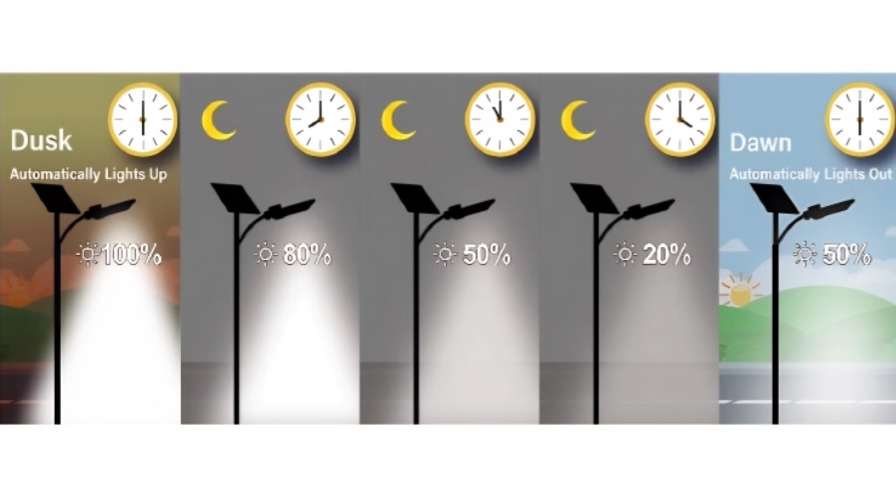
Through motion sensors and scheduling, smart lighting systems can automatically adjust brightness based on traffic flow and time of day, significantly reducing energy consumption and light pollution.
3. Data Collection and Smart City Integration
Smart street lights can act as urban data nodes, supporting:
-
Environmental monitoring (air quality, temperature)
-
Traffic analysis
-
Public safety alerts
-
Smart parking guidance
4. Cost-Effective Maintenance
IoT integration enables predictive maintenance by sending automatic failure reports. This minimizes downtime and reduces manual inspection costs, increasing operational efficiency.
5. Future-Proof Infrastructure
Many smart LED street lights now feature NEMA and Zhaga connectors for easy plug-and-play upgrades, ensuring compatibility with future smart city technologies.
Why Cities Are Investing in Smart LED Street Lighting
-
Energy Savings: Up to 70% reduction in electricity consumption compared to traditional lighting.
-
Enhanced Safety: Better lighting management improves visibility and reduces accident rates.
-
Sustainability: Lower carbon emissions align with global green initiatives.
-
Urban Intelligence: Street lighting becomes part of the smart city’s digital nervous system.
Conclusion
The future of LED street lighting lies in smart cities and IoT integration. By adopting smart lighting solutions, cities can improve public services, reduce costs, and create safer, more sustainable urban environments. As technology advances, LED street lights will continue to evolve, offering even greater possibilities for connectivity and innovation.
If you are planning to upgrade your city’s street lighting system, now is the perfect time to explore smart, IoT-enabled LED street lights that are ready for the future.
DLD Light Co.,Ltd
Email: inquiry@dldlight.com
Tel: 0086-0755-21000499
Mob/Whatsapp/Wechat: 0086-19147822839
Web: www.dldlight.com
Fast Delivery LED Street Light Manufacturer | Urgent Project Support
Why Our LED Street Lights Are Perfect for Wholesalers and Bulk Purchases
Related Article